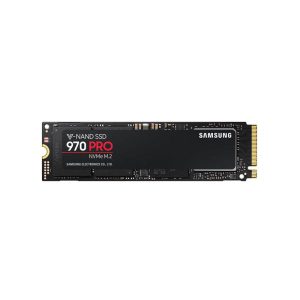
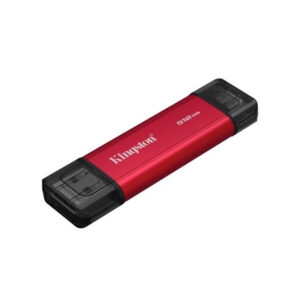
SPSD/512GB Kingston 512GB USB 3.2 Gen 2 Type-A / C Dual Portable Solid-State Drive
$157SPSD/512GB Ovevriew
The Kingston SPSD/512GB USB 3.2 Gen 2 Dual-Interface Portable SSD is a compact and speedy external storage drive that’s ideal for users who want fast, reliable storage on the go. With 512 GB of space, it’s perfect for storing photos, videos, documents, games, and backups without slowing you down. It uses a USB 3.2 Gen 2 interface to deliver much faster transfer speeds than standard USB drives, so large files move quickly between devices. Its dual-interface design — supporting both USB-C and USB-A connections — means you can plug it into a wide range of devices without needing extra adapters, whether it’s a laptop, desktop, tablet, or other USB-enabled gadget. Because it’s a solid-state drive, it offers durability, shock resistance.Out of stock
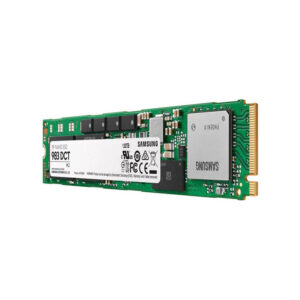
MZMTE512HMHP-000D7 Samsung 512GB SATA-6GBPS MSATA SSD
MZMTE512HMHP-000D7 Overview
Improved boot and load times of the MZMTE512HMHP-000D7 Samsung PM851 Series 512GB SATA-6GBPS MSATA solid state drive are achieved by its lightning-fast data access speeds. An SSD operates significantly faster than a traditional hard disk drive (HDD) because it has no moving parts. Instead, it uses a process called flash memory to store data. This allows for much quicker access to information, as well as much faster data transfer rates. Advanced Error Correction and Data Protection is a key feature of the Samsung PM851 Series 512GB SATA-6GBPS MSATA solid state drive. It helps to ensure that data is accurately and efficiently stored on the drive, even in the event of any unexpected errors or failures.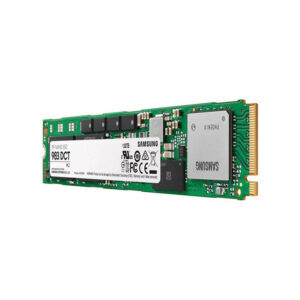
MZMTE512HMHP Samsung 512GB SATA-6GBPS MSATA TLC Internal SSD
$277MZMTE512HMHP Overview
Increased Speed: MSATA SSDs are faster than traditional hard disk drives (HDDs), providing faster boot times, application launches, and file transfers. The SATA-6GBPS interface of the MZMTE512HMHP further enhances performance. Improved Reliability: MSATA SSDs have no moving parts and are therefore more reliable than HDDs, which are vulnerable to mechanical failure. Enhanced Energy Efficiency: MSATA SSDs consume less power than HDDs, reducing energy consumption and prolonging battery life on laptops. Enhanced Security: The MSATA SSD provides advanced security features such as AES 256-bit encryption, ensuring that sensitive data is protected.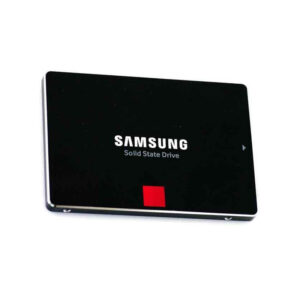
MZ-7KE512BW Samsung 512GB SATA 6GBPS SSD
$432MZ-7KE512BW Overview
Capacity: The Samsung MZ-7KE512BW boasts a substantial storage capacity of 512 gigabytes. This ample space caters to the needs of users who demand extensive storage for their applications, documents, multimedia files, and more. Whether you are a professional handling large datasets or a multimedia enthusiast with a vast collection of photos and videos, this SSD provides the room you require. SATA Interface: This SSD utilizes the Serial Advanced Technology Attachment (SATA) interface, a widely adopted standard for connecting storage devices to motherboards. The SATA interface ensures seamless compatibility with a range of devices, making it a versatile choice for various computing systems.Out of stock
MTFDKBA512TFH-1BC1AABYYR Micron 512GB PCI E Solid State Drive (SSD)
MTFDKBA512TFH-1BC1AABYYR Overview
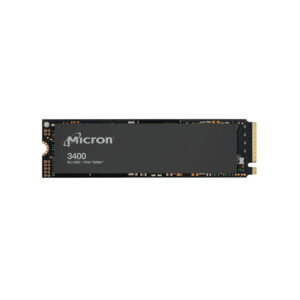
Impressive Storage Capacity: With 512GB of storage capacity, this NVMe SSD provides ample space for your operating system, applications, games, and files. It strikes a balance between performance and storage, making it suitable for various computing needs. PCI Express NVMe Interface: The drive is designed to work with the PCI Express NVMe (Non-Volatile Memory Express) interface, which is renowned for its lightning-fast data transfer speeds. This interface is optimized for SSDs, reducing latency and improving overall system responsiveness.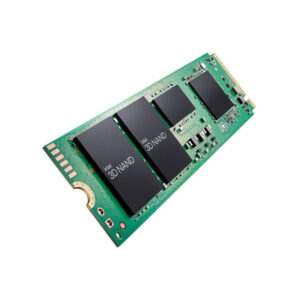
SSDPEKNU512GZN1 Intel 512GB QLC PCIE NVME M.2 2280 Internal SSD
SSDPEKNU512GZN1 Overview
Before delving into the specifics of the SSDPEKNU512GZN1, it’s essential to understand why SSDs have become indispensable in today’s computing landscape. Unlike traditional Hard Disk Drives (HDDs), which rely on spinning disks and mechanical components, SSDs use NAND-based flash memory for data storage. This absence of moving parts translates into faster data access, reduced power consumption, and increased durability. Now, let’s focus on the “NVMe” part of the name. NVMe stands for Nonvolatile Memory Express, a revolutionary storage protocol designed to unleash the full potential of high-speed NAND flash memory. NVMe SSDs are known for their exceptional performance, thanks to their ability to communicate directly with the CPU via the PCIe (Peripheral Component Interconnect Express) bus.Out of stock
SSDPFKKW512H7X1 Solidigm 512GB PCI-E SSD P44 Pro GEN 4 NVMe
SSDPFKKW512H7X1 Overview
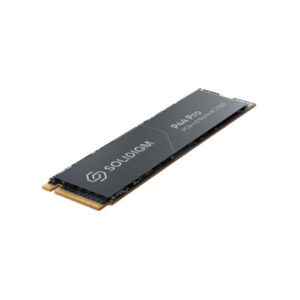
Solidigm: This is the brand name, much like how Apple or Samsung are well-known brands in the tech industry. SSDPFKKW512H7X1: This is the specific model number or code assigned to this SSD. It helps identify this particular product among others in the Solidigm SSD lineup. 512GB: This number represents the storage capacity of the SSD, which is 512 gigabytes. This is the amount of data that you can store on this drive. PCI-E: This stands for Peripheral Component Interconnect Express, a type of interface that allows the SSD to connect to your computer’s motherboard for fast data transfer.Out of stock
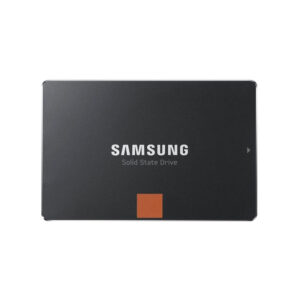
MZ7PD512HCGM Samsung 512GB MLC SATA 6Gbps (SSD)
MZ7PD512HCGM Overview
The Samsung MZ7PD512HCGM boasts a generous storage capacity of 512GB, providing ample space for operating systems, applications, and large data files. This is particularly advantageous for users who require substantial storage for their multimedia content, creative projects, or extensive databases. With a 2.5-inch form factor, this SSD is designed to fit seamlessly into a variety of devices, making it versatile for use in laptops, desktops, and other compatible systems. The compact form factor ensures compatibility with standard drive bays and allows for easy integration into existing setups. The SATA 6Gbps interface ensures swift data transfer rates, allowing for quick and efficient communication between the SSD and the connected device.Out of stock
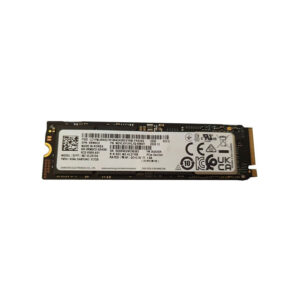
MZ-VL2512A Samsung 512GB M.2 PCI-E SSD Gen4 X4 NVMe SSD
MZ-VL2512A Overview
The M.2 form factor is a small, compact design for 512GB SSDs and other components. It is commonly used in laptops and desktops due to its size and speed advantages. The M.2 design allows for a sleek and space-saving storage solution. The PM9A1 Series is part of Samsung’s impressive line of SSDs. It represents the latest advancements in SSD technology, and the Samsung MZ-VL2512A is a prominent member of this series. These SSDs are known for their exceptional performance. NVMe, which stands for Non-Volatile Memory Express, is a protocol designed for SSDs. It significantly enhances the speed and performance of SSDs compared to older protocols like SATA. NVMe SSDs communicate directly with the CPU.Out of stock
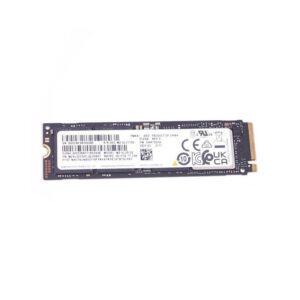
MZ-VL25120 Samsung 512GB PCI-E 4.0 x4 (NVMe) Internal (SSD)
MZ-VL25120 Overview
Faster Data Transfer: NVMe uses a high-speed PCI-E connection to deliver faster data transfer speeds compared to SATA and SAS interfaces. This results in faster boot times, application loading times, and overall system performance. Lower Latency: NVMe reduces the time it takes for the computer to communicate with the storage device, resulting in lower latency and improved responsiveness. Increased Queue Depth: NVMe supports a higher queue depth, which means it can handle more commands simultaneously compared to SATA and SAS. This results in improved performance in multi-threaded applications.Out of stock
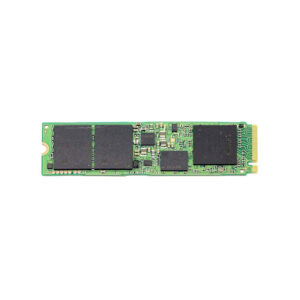
MZ-VLW5120 Samsung 512GB PCIE SSD Internal NVMe SSD
MZ-VLW5120 Overview
The PCIe 3.0 x4 interface, combined with NVMe technology, allows this SSD to deliver remarkable speed and performance. It can read and write data at speeds that significantly surpass traditional SATA SSDs. This performance boost is particularly noticeable when loading applications, booting your operating system, or transferring large files. The faster data access and transfer speeds provided by the MZ-Samsung VLW5120 SSD translate to improved productivity. Your system will feel more responsive, and tasks that were once time-consuming will be completed in a fraction of the time. This is particularly beneficial for professionals who rely on their computers for tasks like video editing, 3D rendering, and data analysis.Out of stock