
Need help? Call us:
+1-215-774-1243
Menu
Categories
- Accessories
- 3M Accessories
- APC Accessories
- Avaya Accessories
- Block Box Accessories
- Broadcom Accessories
- Cables
- Chief Technology Accessories
- Cisco Accessories
- Compulocks Accessories
- CPI Accessories
- Dell Accessories
- Eaton Accessories
- Ergotron Accessories
- Extreme Networks Accessories
- Honeywell Accessories
- HPE Accessories
- Hubbell Accessories
- Humanscale Accessories
- IBM Accessories
- Juniper Accessories
- Lenovo Accessories
- Leviton Accessories
- LSI Logic Accessories
- Mikrotik Accessories
- Newline Accessories
- Panduit Accessories
- Peerless Accessories
- Premier Accessories
- Server Accessories
- SIIG Accessories
- StarTech.com Accessories
- SUN Microsystems Accessories
- Targus Accessories
- Tripp Lite Accessories
- Ubiquiti Accessories
- Vantage Accessories
- VERTIV Accessories
- ViewSonic Accessories
- Zagg Accessories
- Controllers
- Adaptec Controllers
- Addon Controllers
- Allied Telesis Controllers
- Areca Controllers
- ASUS Controllers
- ATTO Controller
- Avaya Controllers
- Axiom Upgrades Controller
- Black Box Controller
- Blue Coat Controllers
- Broadcom Controllers
- Chelsio Controllers
- Cisco Controller
- Comtrol Controller
- D-Link Controller
- Dell Controllers
- Dialogic Controllers
- Digi Controllers
- DIGIUM Controllers
- Emulex controller
- HighPoint Technologies Controllers
- Honeywell Controllers
- HPE Controllers
- IBM Controllers
- Intel Controllers
- Intellinet Controllers
- Lenovo Controllers
- Liqid Controller
- LSI-Logic Controllers
- Marvell Controllers
- Mellanox Controllers
- NetApp Controllers
- NVIDIA Controllers
- Proline Controllers
- QLogic Controllers
- QNAP Controllers
- SIIG Controller
- Sonnettech Controllers
- StarTech.com Controllers
- SUN Microsystems Controllers
- Supermicro Controllers
- SYBA Controllers
- Synology Controllers
- TP-LINK Controller
- Transition-Networks Controllers
- TRENDnet Controllers
- Tripp Lite Controllers
- Xilinx Controllers
- Daily Deals
- Data Tapes
- Desktop Computers
- Docking Stations
- 4XEM Docking Stations
- ATEN Docking Station
- Black Box Docking Stations
- C2G Docking Stations
- CODI Docking Stations
- Dell Docking Stations
- Gamber Johnson Docking Station
- Havis Docking Station
- HP Docking Stations
- HyperDrive Docking Stations
- IOGEAR Docking Stations
- Kensington Docking Station
- Lenovo Docking Stations
- Microsoft Docking Stations
- Panasonic Docking Stations
- SIIG Docking Stations
- StarTech Docking Stations
- Targus Docking Stations
- Tripp Lite Docking Stations
- VisionTek Docking Station
- Expansion Modules
- Allied Telesis Expansion Modules
- Asus Expansion Modules
- Avaya Expansion Modules
- Avocent Expansion Modules
- Black Box Expansion Modules
- Cisco Expansion Modules
- Dell Expansion Module
- Extreme Networks Expansion Modules
- Fortinet Expansion Module
- HPE Expansion Modules
- IBM Expansion Modules
- Juniper Expansion Modules
- Lenovo Expansion Module
- NetApp Expansion Modules
- Ruckus Expansion Module
- Transition Networks Expansion Modules
- WatchGuard Expansion Modules
- Firewalls and Security Appliances
- Graphic Cards
- HTC Batteries
- IBM Batteries
- iPad & Tablets
- Laptop Chargers & Adapters
- Laptops
- Lenovo Batteries
- License
- LSI Logic Batteries
- Media Converter
- Memory - RAM
- Accortec Memory-RAM
- ADATA Memory - RAM
- Addon Memory - RAM
- Apacer Memory - RAM
- Avaya Memory - RAM
- Avexir Memory - RAM
- Axiom Memory - RAM
- Bull Creek Memory - RAM
- Centon Memory - RAM
- Cisco Memory - RAM
- Corsair Memory - RAM
- Crucial Memory - RAM
- Dell Memory - RAM
- DT Research Memory Ram
- EDGE Memory Ram
- ELO Memory - RAM
- ENET Solutions Memory-RAM
- G.Skill Memory - RAM
- HPE Memory - RAM
- Hynix Memory - RAM
- HyperX Memory - RAM
- IBM Memory - RAM
- Kingston Memory - RAM
- Lenovo Memory - RAM
- Lexmark Memory - RAM
- Micron Memory - RAM
- Mushkin Memory Ram
- OWC Memory - RAM
- Panasonic Memory - RAM
- PNY Memory Ram
- QNAP Memory Ram
- Samsung Memory - RAM
- Sun Microsystems Memory - RAM
- Supermicro Memory - RAM
- Synology Memory - RAM
- Total Micro Memory Ram
- Transcend Memory Ram
- Veritas Memory-RAM
- VisionTek Memory Ram
- Modules
- Monitors
- Motherboards
- Motorola Batteries
- Network Switches
- Allied Telesis Network Switches
- Arista Network Switches
- Aruba Networks Switches
- Avaya Network Switches
- Avocent Network Switch
- Black Box Network Switches
- Brocade Network Switches
- Cisco Fabric Extenders
- Cisco Network Switches
- CyberData Network Switches
- D-Link Network Switches
- Dell Network Switches
- Edgecore Networks Network Switch
- EnGenius Network Switches
- Extreme Networks Network Switches
- Fortinet Network Switches
- HP Network Switch
- HPE Aruba Network Switches
- HPE Network Switches
- IBM Network Switches
- Intel Network Switch
- Juniper Network Switches
- Lenovo Network Switches
- LinkSys Network Switches
- Mellanox Network Switches
- MikroTik Network Switches
- NetApp Network Switch
- Netgear Network Switches
- NVIDIA Network Switch
- Ruckus Networks Network Switches
- SonicWall Network Switches
- TP-Link Network Switches
- Transition Networks Network Switches
- TRENDnet Network Switches
- Tripp Lite Network Switches
- Ubiquiti-Networks Network Switches
- Zyxel Network Switch
- Panasonic Batteries
- Phones
- Power Supplies
- AcBel Polytech Power Supplies
- Accell Power Supplies
- Aerohive Power Supplies
- Allied Telesis Power Supplies
- Altronix Power Supplies
- Antec Power Supplies
- APC Power Supplies
- Artesyn Technologies Power Supplies
- ASUS Power Supplies
- Aten Technology Power Supplies
- ATTO Technology Power Supplies
- Black Box Power Supplies
- Brocade Power Supplies
- Cambium Power Supplies
- Check Point Power Supplies
- Cisco Power Supplies
- Club 3D Power Supplies
- Cooler Master Power Supplies
- Corsair Power Supplies
- D Link Power Supplies
- Dell Power Supplies
- Delta Power Supplies
- Digi Power Supplies
- EMACS Power Supplies
- Enet Power Supplies
- Extreme Networks Power Supplies
- Fortinet Power Supplies
- Fractal Design Power Supplies
- Fujitsu Power Supplies
- Gateway Power Supplies
- Honeywell Power Supplies
- HP Power Supplies
- HPE Power Supplies
- Huntkey Power Supplies
- IBM Power Supplies
- IC Intracom Power Supplies
- In Win Power Supply
- Intel Power Supplies
- IOGEAR Power Supplies
- Juniper Power Supplies
- Lenovo Power Supplies
- Lite-On Power Supplies
- MEAN WELL Power Supplies
- Mellanox Power Supplies
- OWC Power Supplies
- Panasonic Power Supplies
- Plugable Technologies Power Supplies
- Quantum Power Supplies
- Ruckus Power Supplies
- SonicWall Power Supplies
- Sophos Power Supplies
- Sparkle Power Power Supplies
- Startech.com Power Supplies
- Sun Microsystems Power Supplies
- SuperMicro Power Supplies
- TRENDnet Power Supplies
- Tripp Lite Power Supplies
- Ubiquiti Networks Power Supplies
- Veracity Power Supplies
- Veritas Power Supplies
- WatchGuard Power Supplies
- XPG Power Supplies
- Zebra Power Supplies
- Printers & Scanners
- Refurbished
- Refurbished Accessories
- Refurbished Batteries
- Refurbished Controllers
- Refurbished Data Tapes
- Refurbished Docking Stations
- Refurbished Expansion Modules
- Refurbished Firewalls And Security Appliances
- Refurbished Memory – RAM
- Addon Refurbished Memory - RAM
- Cisco Refurbished Memory – RAM
- Crucial Refurbished Memory – RAM
- Dell Refurbished Memory - RAM
- HPE Refurbished Memory - RAM
- Hynix Refurbished Memory - RAM
- IBM Refurbished Memory – RAM
- Kingston Refurbished Memory – RAM
- Lenovo Refurbished Memory – RAM
- Micron Refurbished Memory - RAM
- Samsung Refurbished Memory - RAM
- Refurbished Motherboards
- Refurbished Network Switches
- Refurbished Power Supplies
- Refurbished Routers
- Refurbished Servers
- Refurbished Storage Devices
- Axiom Refurbished Storage Devices
- Cisco Refurbished Storage Devices
- Crucial Refurbished Storage Devices
- Dell Refurbished Storage Devices
- Fortinet Refurbished Storage Devices
- Hitachi Refurbished Storage Devices
- HPE Refurbished Storage Devices
- IBM Refurbished Storage Devices
- Intel Refurbished Storage Devices
- Kingston Refurbished Storage Devices
- Lenovo Refurbished Storage Devices
- Micron Refurbished Storage Devices
- Refurbished Raid Controllers And Accessories
- Samsung Refurbished Storage Devices
- Seagate Refurbished Storage Devices
- Toshiba Refurbished Storage Devices
- Visiontek Refurbished Storage Devices
- Western Digital Refurbished Storage Devices
- Refurbished Transceivers
- Refurbished UPS
- Refurbished Wireless Devices
- Refurbished Modules
- Routers
- Servers
- Smart Home
- Storage Devices
- Aleratec Storage Devices
- Axiom Storage Devices
- Buffalo Storage Devices
- Cisco Storage Devices
- Corsair Storage Devices
- Crucial Storage Devices
- Dell Storage Devices
- EMC Storage Devices
- Exascend Storage Devices
- Fortinet Storage Devices
- Fujitsu Storage Devices
- Gigabyte Storage Devices
- Hard Drive Accessories
- HGST Storage Devices
- Hitachi Storage Devices
- HPE Storage Devices
- Hynix Storage Devices
- IBM Storage Devices
- Intel Storage Devices
- Kingston Storage Devices
- Kioxia Storage Devices
- LaCie Storage Devices
- Lenovo Storage Devices
- Maxtor Storage Devices
- Micron Storage Devices
- NetApp Storage Devices
- Ocz Storage Devices
- Other World Computing Storage Devices
- Phison Storage Devices
- Quantum Storage Devices
- Raid Controllers And Accessories
- Samsung Storage Devices
- SanDisk Storage Devices
- Seagate Storage Devices
- Solidigm Storage Devices
- Storage Devices Accessories
- Storage Systems
- Sun Microsystems Storage Devices
- SuperTalent Storage Devices
- Synology Storage Devices
- Toshiba Storage Devices
- Total Micro Storage Devices
- Transcend Storage Devices
- Ubiquiti Storage Devices
- VisionTek Storage Devices
- Western Digital Storage Devices
- Transceivers
- Alcatel-Lucent Transceivers
- Allied Telesis Transceivers
- Arista Transceivers
- Avago Technologies Transceivers
- Black Box Transceivers
- Brocade Transceivers
- Cisco Transceivers
- Dell Transceivers
- Finisar Transceivers
- Fortinet Transceivers
- HP Transceiver
- HPE Transceivers
- IBM Transceiver
- Intel Transceivers
- Juniper Transceivers
- Lenovo Transceivers
- Mellanox Transceivers
- Mikrotik Transceivers
- NetApp Transceivers
- NetGear Transceivers
- Paloalto Transceivers
- QLogic Transceivers
- Ruckus Networks Transceivers
- Ubiquiti Networks Transceivers
- Tripp Lite Batteries
- TV & Audio
- Uncategorized
- UPS
- Voip Gateways
- Wearable Technology
- Wireless Devices
- Asus Wireless Devices
- Cisco Wireless Devices
- D-Link Wireless Devices
- EnGenius Wireless Devices
- Extreme Networks Wireless Devices
- Fortinet Wireless Devices
- HPE Wireless Devices
- Juniper Wireless Devices
- LinkSys Wireless Devices
- Meraki Wireless Devices
- MikroTik Wireless Devices
- NetGear Wireless Devices
- Ruckus Networks Wireless Devices
- Ruckus Wireless Devices
- SonicWall Wireless Devices
- Sophos Wireless Devices
- TP-Link Wireless Devices
- TRENDnet Wireless Devices
- Ubiquiti Networks Wireless Devices
- Zebra Batteries
Out of stock

UCSC-HS-C240M5= Cisco heatsink
UCSC-HS-C240M5= Overview
Cisco heatsink.The heatsink works in conjunction with a fan (not included with the heatsink itself but typically installed separately) to efficiently transfer heat away from the CPU. This process helps maintain the CPU within safe operating temperatures, preventing overheating and potential damage. Regular maintenance and cleaning of the heatsink are recommended to ensure optimal performance over time. This includes removing dust buildup and ensuring proper airflow within the server chassis.Out of stock
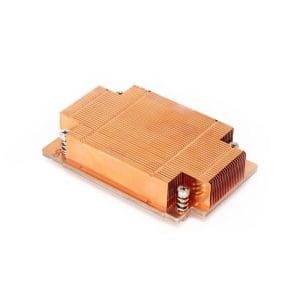
UCSC-HS-C220M3 Cisco Heatsink
UCSC-HS-C220M3 Overview
Cisco Heatsink. Cisco provides guidelines for maintaining and cleaning heatsinks to ensure long-term reliability and efficiency. They also offer support through their service agreements to address any issues related to the heatsink or server components.Cisco designs these heatsinks to efficiently transfer heat away from the CPUs, helping to prevent overheating and ensuring stable operation under varying workloads. They are typically engineered to fit within the server chassis without obstructing other components or airflow.Out of stock
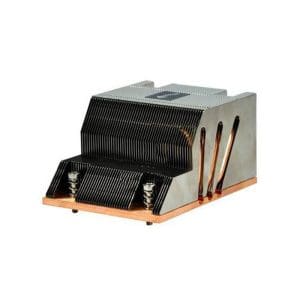
UCSC-HS2-C240M5 Cisco heatsink
UCSC-HS2-C240M5 Overview
Cisco heatsink.Cisco designs these heatsinks to efficiently transfer heat away from the CPUs to ensure stable operation under varying workloads. They are typically designed to fit within the server chassis without obstructing other components or airflow. Cisco provides guidelines for maintenance and cleaning of heatsinks to ensure long-term reliability. They also offer support through their service agreements if any issues arise with the heatsink or server components.Out of stock

UCSC-HS-EN-M3 Cisco processor heatsink
UCSC-HS-EN-M3 Overview
Cisco processor heatsink.Heatsinks in servers like those from Cisco are engineered with efficient cooling fins and heat pipes to enhance thermal conductivity and dissipate heat effectively, contributing to the overall stability and longevity of the server hardware.In Cisco UCS servers, heatsinks are crucial components that are mounted on processors to dissipate heat generated during operation. This helps maintain optimal operating temperatures and ensures the reliability and performance of the server hardware.Categories
- Accessories
- 3M Accessories
- APC Accessories
- Avaya Accessories
- Block Box Accessories
- Broadcom Accessories
- Cables
- Chief Technology Accessories
- Cisco Accessories
- Compulocks Accessories
- CPI Accessories
- Dell Accessories
- Eaton Accessories
- Ergotron Accessories
- Extreme Networks Accessories
- Honeywell Accessories
- HPE Accessories
- Hubbell Accessories
- Humanscale Accessories
- IBM Accessories
- Juniper Accessories
- Lenovo Accessories
- Leviton Accessories
- LSI Logic Accessories
- Mikrotik Accessories
- Newline Accessories
- Panduit Accessories
- Peerless Accessories
- Premier Accessories
- Server Accessories
- SIIG Accessories
- StarTech.com Accessories
- SUN Microsystems Accessories
- Targus Accessories
- Tripp Lite Accessories
- Ubiquiti Accessories
- Vantage Accessories
- VERTIV Accessories
- ViewSonic Accessories
- Zagg Accessories
- Controllers
- Adaptec Controllers
- Addon Controllers
- Allied Telesis Controllers
- Areca Controllers
- ASUS Controllers
- ATTO Controller
- Avaya Controllers
- Axiom Upgrades Controller
- Black Box Controller
- Blue Coat Controllers
- Broadcom Controllers
- Chelsio Controllers
- Cisco Controller
- Comtrol Controller
- D-Link Controller
- Dell Controllers
- Dialogic Controllers
- Digi Controllers
- DIGIUM Controllers
- Emulex controller
- HighPoint Technologies Controllers
- Honeywell Controllers
- HPE Controllers
- IBM Controllers
- Intel Controllers
- Intellinet Controllers
- Lenovo Controllers
- Liqid Controller
- LSI-Logic Controllers
- Marvell Controllers
- Mellanox Controllers
- NetApp Controllers
- NVIDIA Controllers
- Proline Controllers
- QLogic Controllers
- QNAP Controllers
- SIIG Controller
- Sonnettech Controllers
- StarTech.com Controllers
- SUN Microsystems Controllers
- Supermicro Controllers
- SYBA Controllers
- Synology Controllers
- TP-LINK Controller
- Transition-Networks Controllers
- TRENDnet Controllers
- Tripp Lite Controllers
- Xilinx Controllers
- Daily Deals
- Data Tapes
- Desktop Computers
- Docking Stations
- 4XEM Docking Stations
- ATEN Docking Station
- Black Box Docking Stations
- C2G Docking Stations
- CODI Docking Stations
- Dell Docking Stations
- Gamber Johnson Docking Station
- Havis Docking Station
- HP Docking Stations
- HyperDrive Docking Stations
- IOGEAR Docking Stations
- Kensington Docking Station
- Lenovo Docking Stations
- Microsoft Docking Stations
- Panasonic Docking Stations
- SIIG Docking Stations
- StarTech Docking Stations
- Targus Docking Stations
- Tripp Lite Docking Stations
- VisionTek Docking Station
- Expansion Modules
- Allied Telesis Expansion Modules
- Asus Expansion Modules
- Avaya Expansion Modules
- Avocent Expansion Modules
- Black Box Expansion Modules
- Cisco Expansion Modules
- Dell Expansion Module
- Extreme Networks Expansion Modules
- Fortinet Expansion Module
- HPE Expansion Modules
- IBM Expansion Modules
- Juniper Expansion Modules
- Lenovo Expansion Module
- NetApp Expansion Modules
- Ruckus Expansion Module
- Transition Networks Expansion Modules
- WatchGuard Expansion Modules
- Firewalls and Security Appliances
- Graphic Cards
- HTC Batteries
- IBM Batteries
- iPad & Tablets
- Laptop Chargers & Adapters
- Laptops
- Lenovo Batteries
- License
- LSI Logic Batteries
- Media Converter
- Memory - RAM
- Accortec Memory-RAM
- ADATA Memory - RAM
- Addon Memory - RAM
- Apacer Memory - RAM
- Avaya Memory - RAM
- Avexir Memory - RAM
- Axiom Memory - RAM
- Bull Creek Memory - RAM
- Centon Memory - RAM
- Cisco Memory - RAM
- Corsair Memory - RAM
- Crucial Memory - RAM
- Dell Memory - RAM
- DT Research Memory Ram
- EDGE Memory Ram
- ELO Memory - RAM
- ENET Solutions Memory-RAM
- G.Skill Memory - RAM
- HPE Memory - RAM
- Hynix Memory - RAM
- HyperX Memory - RAM
- IBM Memory - RAM
- Kingston Memory - RAM
- Lenovo Memory - RAM
- Lexmark Memory - RAM
- Micron Memory - RAM
- Mushkin Memory Ram
- OWC Memory - RAM
- Panasonic Memory - RAM
- PNY Memory Ram
- QNAP Memory Ram
- Samsung Memory - RAM
- Sun Microsystems Memory - RAM
- Supermicro Memory - RAM
- Synology Memory - RAM
- Total Micro Memory Ram
- Transcend Memory Ram
- Veritas Memory-RAM
- VisionTek Memory Ram
- Modules
- Monitors
- Motherboards
- Motorola Batteries
- Network Switches
- Allied Telesis Network Switches
- Arista Network Switches
- Aruba Networks Switches
- Avaya Network Switches
- Avocent Network Switch
- Black Box Network Switches
- Brocade Network Switches
- Cisco Fabric Extenders
- Cisco Network Switches
- CyberData Network Switches
- D-Link Network Switches
- Dell Network Switches
- Edgecore Networks Network Switch
- EnGenius Network Switches
- Extreme Networks Network Switches
- Fortinet Network Switches
- HP Network Switch
- HPE Aruba Network Switches
- HPE Network Switches
- IBM Network Switches
- Intel Network Switch
- Juniper Network Switches
- Lenovo Network Switches
- LinkSys Network Switches
- Mellanox Network Switches
- MikroTik Network Switches
- NetApp Network Switch
- Netgear Network Switches
- NVIDIA Network Switch
- Ruckus Networks Network Switches
- SonicWall Network Switches
- TP-Link Network Switches
- Transition Networks Network Switches
- TRENDnet Network Switches
- Tripp Lite Network Switches
- Ubiquiti-Networks Network Switches
- Zyxel Network Switch
- Panasonic Batteries
- Phones
- Power Supplies
- AcBel Polytech Power Supplies
- Accell Power Supplies
- Aerohive Power Supplies
- Allied Telesis Power Supplies
- Altronix Power Supplies
- Antec Power Supplies
- APC Power Supplies
- Artesyn Technologies Power Supplies
- ASUS Power Supplies
- Aten Technology Power Supplies
- ATTO Technology Power Supplies
- Black Box Power Supplies
- Brocade Power Supplies
- Cambium Power Supplies
- Check Point Power Supplies
- Cisco Power Supplies
- Club 3D Power Supplies
- Cooler Master Power Supplies
- Corsair Power Supplies
- D Link Power Supplies
- Dell Power Supplies
- Delta Power Supplies
- Digi Power Supplies
- EMACS Power Supplies
- Enet Power Supplies
- Extreme Networks Power Supplies
- Fortinet Power Supplies
- Fractal Design Power Supplies
- Fujitsu Power Supplies
- Gateway Power Supplies
- Honeywell Power Supplies
- HP Power Supplies
- HPE Power Supplies
- Huntkey Power Supplies
- IBM Power Supplies
- IC Intracom Power Supplies
- In Win Power Supply
- Intel Power Supplies
- IOGEAR Power Supplies
- Juniper Power Supplies
- Lenovo Power Supplies
- Lite-On Power Supplies
- MEAN WELL Power Supplies
- Mellanox Power Supplies
- OWC Power Supplies
- Panasonic Power Supplies
- Plugable Technologies Power Supplies
- Quantum Power Supplies
- Ruckus Power Supplies
- SonicWall Power Supplies
- Sophos Power Supplies
- Sparkle Power Power Supplies
- Startech.com Power Supplies
- Sun Microsystems Power Supplies
- SuperMicro Power Supplies
- TRENDnet Power Supplies
- Tripp Lite Power Supplies
- Ubiquiti Networks Power Supplies
- Veracity Power Supplies
- Veritas Power Supplies
- WatchGuard Power Supplies
- XPG Power Supplies
- Zebra Power Supplies
- Printers & Scanners
- Refurbished
- Refurbished Accessories
- Refurbished Batteries
- Refurbished Controllers
- Refurbished Data Tapes
- Refurbished Docking Stations
- Refurbished Expansion Modules
- Refurbished Firewalls And Security Appliances
- Refurbished Memory – RAM
- Addon Refurbished Memory - RAM
- Cisco Refurbished Memory – RAM
- Crucial Refurbished Memory – RAM
- Dell Refurbished Memory - RAM
- HPE Refurbished Memory - RAM
- Hynix Refurbished Memory - RAM
- IBM Refurbished Memory – RAM
- Kingston Refurbished Memory – RAM
- Lenovo Refurbished Memory – RAM
- Micron Refurbished Memory - RAM
- Samsung Refurbished Memory - RAM
- Refurbished Motherboards
- Refurbished Network Switches
- Refurbished Power Supplies
- Refurbished Routers
- Refurbished Servers
- Refurbished Storage Devices
- Axiom Refurbished Storage Devices
- Cisco Refurbished Storage Devices
- Crucial Refurbished Storage Devices
- Dell Refurbished Storage Devices
- Fortinet Refurbished Storage Devices
- Hitachi Refurbished Storage Devices
- HPE Refurbished Storage Devices
- IBM Refurbished Storage Devices
- Intel Refurbished Storage Devices
- Kingston Refurbished Storage Devices
- Lenovo Refurbished Storage Devices
- Micron Refurbished Storage Devices
- Refurbished Raid Controllers And Accessories
- Samsung Refurbished Storage Devices
- Seagate Refurbished Storage Devices
- Toshiba Refurbished Storage Devices
- Visiontek Refurbished Storage Devices
- Western Digital Refurbished Storage Devices
- Refurbished Transceivers
- Refurbished UPS
- Refurbished Wireless Devices
- Refurbished Modules
- Routers
- Servers
- Smart Home
- Storage Devices
- Aleratec Storage Devices
- Axiom Storage Devices
- Buffalo Storage Devices
- Cisco Storage Devices
- Corsair Storage Devices
- Crucial Storage Devices
- Dell Storage Devices
- EMC Storage Devices
- Exascend Storage Devices
- Fortinet Storage Devices
- Fujitsu Storage Devices
- Gigabyte Storage Devices
- Hard Drive Accessories
- HGST Storage Devices
- Hitachi Storage Devices
- HPE Storage Devices
- Hynix Storage Devices
- IBM Storage Devices
- Intel Storage Devices
- Kingston Storage Devices
- Kioxia Storage Devices
- LaCie Storage Devices
- Lenovo Storage Devices
- Maxtor Storage Devices
- Micron Storage Devices
- NetApp Storage Devices
- Ocz Storage Devices
- Other World Computing Storage Devices
- Phison Storage Devices
- Quantum Storage Devices
- Raid Controllers And Accessories
- Samsung Storage Devices
- SanDisk Storage Devices
- Seagate Storage Devices
- Solidigm Storage Devices
- Storage Devices Accessories
- Storage Systems
- Sun Microsystems Storage Devices
- SuperTalent Storage Devices
- Synology Storage Devices
- Toshiba Storage Devices
- Total Micro Storage Devices
- Transcend Storage Devices
- Ubiquiti Storage Devices
- VisionTek Storage Devices
- Western Digital Storage Devices
- Transceivers
- Alcatel-Lucent Transceivers
- Allied Telesis Transceivers
- Arista Transceivers
- Avago Technologies Transceivers
- Black Box Transceivers
- Brocade Transceivers
- Cisco Transceivers
- Dell Transceivers
- Finisar Transceivers
- Fortinet Transceivers
- HP Transceiver
- HPE Transceivers
- IBM Transceiver
- Intel Transceivers
- Juniper Transceivers
- Lenovo Transceivers
- Mellanox Transceivers
- Mikrotik Transceivers
- NetApp Transceivers
- NetGear Transceivers
- Paloalto Transceivers
- QLogic Transceivers
- Ruckus Networks Transceivers
- Ubiquiti Networks Transceivers
- Tripp Lite Batteries
- TV & Audio
- Uncategorized
- UPS
- Voip Gateways
- Wearable Technology
- Wireless Devices
- Asus Wireless Devices
- Cisco Wireless Devices
- D-Link Wireless Devices
- EnGenius Wireless Devices
- Extreme Networks Wireless Devices
- Fortinet Wireless Devices
- HPE Wireless Devices
- Juniper Wireless Devices
- LinkSys Wireless Devices
- Meraki Wireless Devices
- MikroTik Wireless Devices
- NetGear Wireless Devices
- Ruckus Networks Wireless Devices
- Ruckus Wireless Devices
- SonicWall Wireless Devices
- Sophos Wireless Devices
- TP-Link Wireless Devices
- TRENDnet Wireless Devices
- Ubiquiti Networks Wireless Devices
- Zebra Batteries