Out of stock
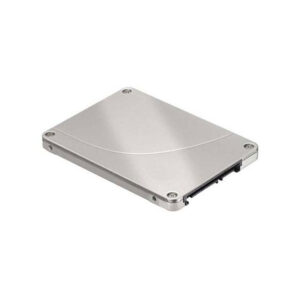
SSDPF21Q800GBE Intel 800GB PCI E NVMe Solid State Drive
SSDPF21Q800GBE Overview
The Intel Optane DC P5800X 800GB U.2 NVMe SSD (model SSDPF21Q800GBE) is an enterprise‑class, ultra‑low-latency solid-state drive designed for the most demanding data-center and server workloads. It uses Intel Optane 3D XPoint memory technology, providing exceptionally consistent response times, high write endurance, and very low latency. This makes it ideal for performance-critical applications such as high-frequency databases, caching layers, real-time analytics, and transactional systems where predictable performance under heavy load is essential. The drive comes in a U.2 2.5-inch, 15 mm form factor with a PCIe 4.0 ×4 NVMe interface, ensuring compatibility with enterprise servers and storage platforms requiring high-bandwidth NVMe storage.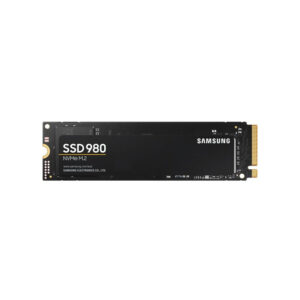
MZ-V8V500BW Samsung 500GB TLC PCI E 3.0 x4 NVMe Solid State Drive (SSD)
$259MZ-V8V500BW Overview
The Samsung 980 Series 500 GB is a high‑performance internal NVMe solid‑state drive designed for modern desktops, laptops, and workstations with an M.2 2280 slot that supports the PCIe 3.0 ×4 NVMe interface. Built with TLC NAND flash and an optimized controller, it delivers significantly faster sequential and random read/write performance compared with SATA SSDs, resulting in quicker system boot‑ups, faster application loads, and snappier file transfers. With 500 GB of usable capacity, the drive provides a balanced blend of space and speed for operating systems, applications, media, and everyday tasks.Out of stock
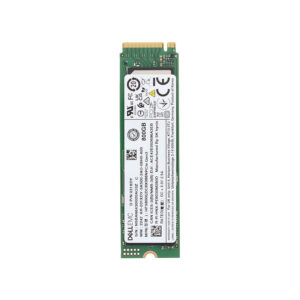
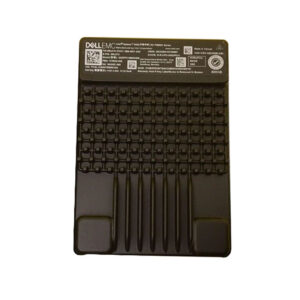
31XDY Dell 800GB PCI E 3.0 NVMe Solid State Drive PE8030
31XDY Overview
The Dell 31XDY 800 GB NVMe SSD is an enterprise‑class internal solid‑state drive designed for systems requiring mixed‑use performance with a balance of throughput and endurance. It uses a PCIe 3.0 ×4 NVMe interface in the M.2 2280 form factor, which delivers lower latency and higher bandwidth than traditional SATA SSDs, making it suitable for a range of data‑center and server workloads. The drive is built with Triple‑Level Cell (TLC) NAND flash, providing a good mix of performance and durability. Typical performance for drives in this category can reach up to about 6500 MB/s sequential read and up to ~4200 MB/s sequential write, along with strong random I/O performance up to ~1.1 million IOPS read and ~185,000 IOPS write.Out of stock
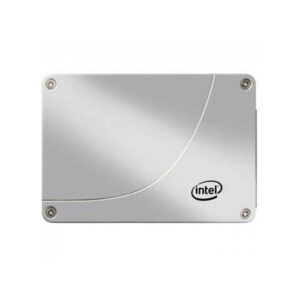
SSDPE2KX020T7T Intel 2TB TLC PCI E 2.5-inch Solid State Drive (SSD)
SSDPE2KX020T7T Overview
This SSD uses a U.2 2.5‑inch (15 mm) form factor with a PCIe 3.1 ×4 NVMe interface, making it compatible with hot‑swappable enterprise storage bays and standard server chassis that support U.2 NVMe drives. It is built with Intel 3D TLC NAND flash, balancing performance and endurance for data‑center environments where large datasets are accessed frequently with predominantly read operations, such as caching layers, analytics, cloud services, and virtualization. The P4500 Series is engineered for 24/7 operation with enterprise reliability features including end‑to‑end data protection and a mean time between failures (MTBF) around 2 million hours, making it suitable for mission‑critical deployments.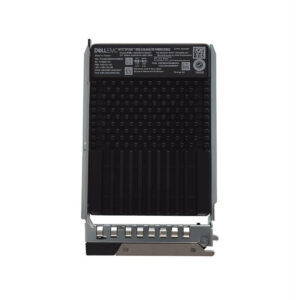
SSDPE21K750GAT Intel 750GB PCI E NVMe 2.5-inch Solid State Drive (SSD)
$790SSDPE21K750GAT Overview
The Intel Optane DC P4800X 750 GB NVMe SSD is part of Intel’s Optane DC P4800X Series, built on Intel 3D XPoint memory technology rather than traditional NAND flash. This unique memory architecture delivers extremely low latency and high endurance, making the drive especially suited for write‑intensive and mixed enterprise workloads where consistent performance and responsiveness are critical. It uses a U.2 2.5‑inch (15 mm) form factor with a PCIe 3.0 ×4 NVMe interface, ensuring compatibility with standard enterprise servers and storage arrays that support U.2 NVMe drives.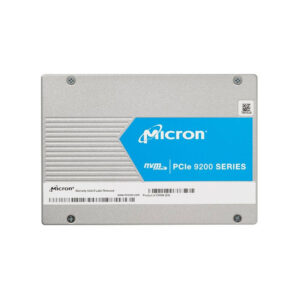
MTFDHAL8TATCW-1AR1ZABYY Micron 8TB TLC PCI E NVMe Solid State Drive (SSD)
$3,395MTFDHAL8TATCW-1AR1ZABYY Overview
The Micron 9200 ECO 8 TB NVMe SSD is a high‑capacity enterprise storage solution engineered for data centers, rack servers, and high‑performance compute environments demanding read‑intensive performance with low latency and strong reliability. Built on Micron’s 3D TLC NAND flash and using a PCI Express 3.0 ×4 NVMe interface, this drive offers fast and consistent throughput ideal for large‑scale read‑heavy applications such as analytics, content delivery, virtualization, and warm data tier storage. Packaged in a U.2 2.5‑inch (15 mm) form factor, the SSD fits standard enterprise drive bays and integrates easily into servers and storage arrays that support NVMe U.2 devices. With an ample 8 TB capacity.Out of stock
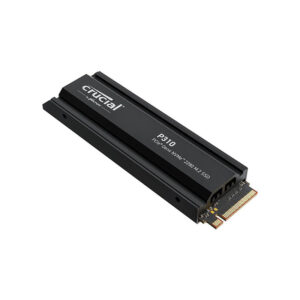
CT2000P310SSD5 Crucial 2TB PCI E 4.0 x4 NVMe Solid State Drive (SSD)
CT2000P310SSD5 Overview
The Crucial P310 (model CT2000P310SSD5) 2 TB NVMe SSD is a high‑performance internal solid‑state drive designed for modern desktops, laptops, and workstations with an M.2 2280 slot that supports PCIe 4.0 ×4 NVMe. Built with advanced NAND flash and a tuned controller, it delivers very fast sequential and random performance, helping improve system responsiveness for everyday computing, gaming, content creation, and productivity tasks. With 2 TB of usable storage, the drive provides ample space for your operating system, large applications, media libraries, and work files. The PCIe 4.0 interface offers significantly higher bandwidth than PCIe 3.0, enabling quicker file transfers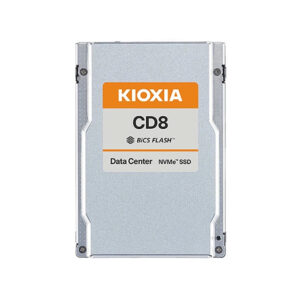
KCD8DRUG960G KIOXIA 960GB Triple-Level Cell PCI E NVMe SFF Solid State Drive
$645KCD8DRUG960G Overview
The KIOXIA KCD8DRUG960G CD8‑R Series 960 GB NVMe SSD is an enterprise‑grade internal solid‑state drive engineered for read‑intensive workloads in servers and data‑center environments. It uses a PCIe 4.0 ×4 NVMe interface in a U.2 2.5‑inch (15 mm) form factor, offering significantly higher throughput and lower latency than SATA SSDs. Built with Triple‑Level Cell (TLC) NAND flash, the drive delivers very fast sequential and random read performance that accelerates applications such as virtualization, large‑scale analytics, content delivery, and database queries where read operations dominate. With 960 GB of usable capacity, it provides ample space for performance tiers and caching layers while maintaining a strong balance of speed and efficiency.Out of stock
PRV6C Dell 960GB Triple-Level Cell PCI E NVMe Solid State Drive
PRV6C Overview
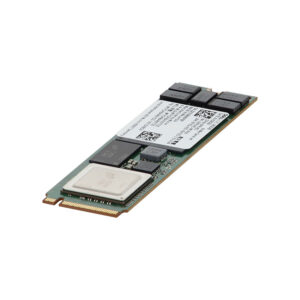
The Dell PRV6C 960GB NVMe SSD is an enterprise‑grade internal solid‑state drive built for read‑intensive workloads in servers, workstations, and data‑center environments. It uses a PCIe 4.0 ×4 NVMe interface in a M.2 2280 form factor, delivering significantly higher bandwidth and lower latency than SATA drives. With 960 GB of capacity and Triple‑Level Cell (TLC) NAND flash, it offers a strong balance of performance, endurance, and cost efficiency for read‑dominant applications like virtualization acceleration, database query relief, analytics, content delivery, and caching layers. The drive provides very fast sequential and random read performance, helping improve responsiveness under load.
KCMYXVUG1T60 KIOXIA 1.6TB PCI E NVMe 2.5-Inch Solid State Drive
$1,409KCMYXVUG1T60 Overview
The KIOXIA KCMYXVUG1T60 CM7‑V Series 1.6 TB PCIe 5.0 NVMe SSD is a enterprise‑class internal solid‑state drive built for mixed‑use workloads in servers and data‑center environments. It uses the latest PCIe 5.0 ×4 NVMe 2.0 interface and a 2.5‑inch (15 mm) form factor that fits hot‑swappable enterprise drive bays while delivering significantly higher bandwidth and lower latency compared with previous generations. The drive is built with 112‑layer KIOXIA BiCS FLASH™ TLC NAND, which provides a strong balance of performance, endurance, and efficiency for demanding enterprise tasks. It delivers very high sequential throughput, with up to ~14,000 MB/s sequential read and ~3,500 MB/s sequential write.
KCMY1VUG3T20 KIOXIA 3.2TB PCI E NVMe 2.5-Inch Solid State Drives
$2,022KCMY1VUG3T20 Overview
The KIOXIA KCMY1VUG3T20 CM7‑V Series 3.2 TB PCIe 5.0 NVMe SSD is a high‑performance enterprise‑class solid‑state drive designed for modern data‑center and server workloads that demand both speed and reliability. It uses the PCI Express 5.0 ×4 NVMe 2.0 interface, delivering much higher bandwidth and lower latency than previous PCIe generations — ideal for mixed use enterprise applications such as online transaction processing, virtualization, analytics, and cloud services. Built with KIOXIA 112‑layer BiCS FLASH™ TLC NAND memory, this SSD supports robust mixed read/write performance and is rated for 3 Drive Writes Per Day (3 DWPD) endurance over its service life, making it suitable for sustained usage in enterprise environments.Out of stock